Are you looking for a unique and creative way to spend your time in Montreal? Pottery workshops offer a hands-on experience that allows you to tap into your artistic side while learning a new skill. Whether you're a beginner or an experienced potter, these workshops provide a fun and engaging environment to explore the world of ceramics. In this article, we will explore some of the best pottery workshops in Montreal where you can get your hands dirty and unleash your creativity.
The Art of Pottery
Pottery is an ancient art form that involves creating objects out of clay and firing them in a kiln to harden them. It is a versatile medium that allows for endless possibilities in terms of shape, texture, and design. Working with clay can be a therapeutic and meditative experience, as you use your hands to shape and mold the material into your desired form.
Benefits of Pottery Workshops
- Relaxation and stress relief
- Boosts creativity and self-expression
- Improves focus and concentration
- Strengthens hand-eye coordination
- Builds patience and perseverance
Top Pottery Workshops in Montreal
1. The Potters' Studio
The Potters' Studio is a well-known pottery studio in Montreal that offers a variety of classes and workshops for all skill levels. Whether you're interested in hand-building techniques or wheel throwing, their experienced instructors will guide you through the process and help you create your own masterpiece.
2. La Ruche d'Art Saint-Henri
Located in the vibrant Saint-Henri neighborhood, La Ruche d'Art offers pottery workshops in a cozy and welcoming environment. Their small class sizes allow for personalized instruction and hands-on assistance, making it a great place for beginners to learn the basics of pottery.
3. Studio B. Pottery
Studio B. Pottery is a contemporary pottery studio that focuses on modern ceramics and design. Their workshops cover a range of techniques, from hand-building to glazing, and are perfect for those looking to explore the intersection of art and function in pottery.
What to Expect in a Pottery Workshop
When you sign up for a pottery workshop in Montreal, here's what you can typically expect:
- Introduction to basic pottery techniques
- Demonstrations by experienced instructors
- Hands-on practice with clay
- Guidance and feedback on your projects
- Opportunity to glaze and finish your creations
- Firing of your pieces in a kiln
Tips for a Successful Pottery Workshop Experience
- Wear clothes that you don't mind getting dirty
- Come with an open mind and be willing to experiment
- Ask questions and seek feedback from instructors
- Practice patience and embrace imperfections in your work
- Have fun and enjoy the process of creating something with your hands
Conclusion
Embarking on a pottery workshop in Montreal is a fantastic way to engage with your creative side, learn a new skill, and meet like-minded individuals who share your passion for art. Whether you're looking to de-stress, unleash your creativity, or simply try something new, pottery workshops offer a fun and rewarding experience that you won't soon forget. So why wait? Get your hands dirty and start creating your own pottery masterpiece today!

Image Source: Google
Color overlays are a versatile tool that can breathe new life into your visual content. By adding a semi-transparent colored layer on top of an image or graphic, you can change the mood, enhance the message, and make your visuals more striking. In this article, we will explore some creative ways to use color overlays to transform your visual content. Refe link: https://www.seeitright.com/overlays.html
1. Enhance the Mood of Your Images
Color overlays can be used to evoke different emotions and enhance the mood of your images. By choosing the right color overlay, you can create a cohesive and impactful visual story. Here are some ways to enhance the mood of your images using color overlays:
- Use warm colors like red, orange, and yellow to create a sense of warmth and comfort.
- Use cool colors like blue, green, and purple to evoke calmness and serenity.
- Use bright and vibrant colors to add energy and excitement to your images.
2. Create Visual Hierarchy
Color overlays can also help you create visual hierarchy in your designs by guiding the viewer's eye to specific elements. By adding a color overlay to the background or foreground of an image, you can make certain elements stand out and draw attention. Here are some tips for creating visual hierarchy with color overlays:
- Use a darker color overlay on the background to make the foreground elements pop.
- Experiment with different color intensities to create depth and dimension in your designs.
- Combine color overlays with other design elements like text and graphics to create a cohesive visual composition.
3. Branding and Consistency
Color overlays can be a powerful tool for branding and creating visual consistency across your marketing materials. By using your brand colors as overlays in your images and graphics, you can reinforce brand recognition and create a cohesive visual identity. Here are some ways to use color overlays for branding and consistency:
- Apply your brand colors as overlays to product photos, social media graphics, and website banners.
- Use consistent color overlays across different platforms to create a unified brand experience for your audience.
- Experiment with different shades and tints of your brand colors to create visual interest while maintaining brand consistency.
4. Transform Black and White Images
Color overlays can be a fun and creative way to transform black and white images into colorful and engaging visuals. By adding a pop of color to a black and white image, you can create a unique and eye-catching effect that grabs attention. Here are some ideas for transforming black and white images with color overlays:
- Choose a single color overlay to emphasize a specific element in the image.
- Experiment with multiple color overlays to create a vibrant and dynamic look.
- Blend different colors to create a gradient effect that adds depth and dimension to the image.
5. Create Textures and Patterns
Color overlays can also be used to create interesting textures and patterns in your visual content. By overlaying colors with different opacities and blending modes, you can achieve a variety of effects that add depth and visual interest to your designs. Here are some ways to create textures and patterns with color overlays:
- Overlay two complementary colors with different opacities to create a textured effect.
- Experiment with geometric patterns and color overlays to create modern and abstract designs.
- Use color overlays to simulate natural textures like watercolor or marble in your visuals.
Color overlays offer endless possibilities for transforming your visual content and expressing your creativity. Whether you want to enhance the mood of your images, create visual hierarchy, strengthen your branding, or simply add a pop of color to your designs, color overlays can help you achieve your desired look.

Image Source: Google
Yoga is a practice that has been around for centuries, offering a holistic approach to health and well-being. Whether you're looking to improve your physical strength, flexibility, mental clarity, or reduce stress, beginner yoga classes can be a great way to start your journey. These classes are designed for those who are new to yoga or have limited experience, making them the perfect entry point for anyone looking to unlock their potential and transform their mind and body.
The Benefits of Beginner Yoga Classes
Improved Physical Health
- Beginner yoga classes help improve flexibility, strength, and balance.
- Yoga can aid in relieving chronic pain and reducing the risk of injury.
- Regular practice can help with weight management and improve overall physical health.
Enhanced Mental Well-being
- Yoga can reduce stress, anxiety, and depression.
- Practicing mindfulness in yoga can improve focus and mental clarity.
- Improved self-awareness and self-acceptance through yoga practice.
What to Expect in Beginner Yoga Classes
Basic Poses and Alignment
In beginner yoga classes, you can expect to learn the basic yoga poses and proper alignment. The instructor will guide you through each pose, ensuring you understand how to do it correctly to prevent injury and maximize its benefits.
Breathing Techniques
Yoga emphasizes the connection between breath and movement. Beginner classes will teach you various breathing techniques that help you stay present, calm your mind, and enhance your practice.
Relaxation and Meditation
Most beginner classes end with a relaxation or meditation session. This helps you to unwind, reduce stress, and integrate the benefits of your physical practice into your mental well-being.
Tips for Getting the Most Out of Beginner Yoga Classes
Listen to Your Body
- Respect your body's limits and only go as far as you feel comfortable.
- Communicate with your instructor if you have any injuries or concerns.
- Remember that yoga is a personal practice, and it's okay to modify poses to suit your needs.
Be Consistent
- Try to attend classes regularly to build a foundation and see progress.
- Consistency is key to experiencing the full benefits of yoga practice.
Stay Open-Minded
- Yoga is a journey of self-discovery, so approach it with an open mind and heart.
- Be willing to try new things and explore different aspects of the practice.
Final Thoughts
Beginner yoga classes offer a safe and supportive environment for you to explore the practice of yoga and all its benefits. By attending these classes, you have the opportunity to unlock your potential, transform your mind and body, and embark on a journey of self-discovery and well-being. Whether you're looking to improve your physical health, mental well-being, or simply want to try something new, beginner yoga classes can be a transformative experience.
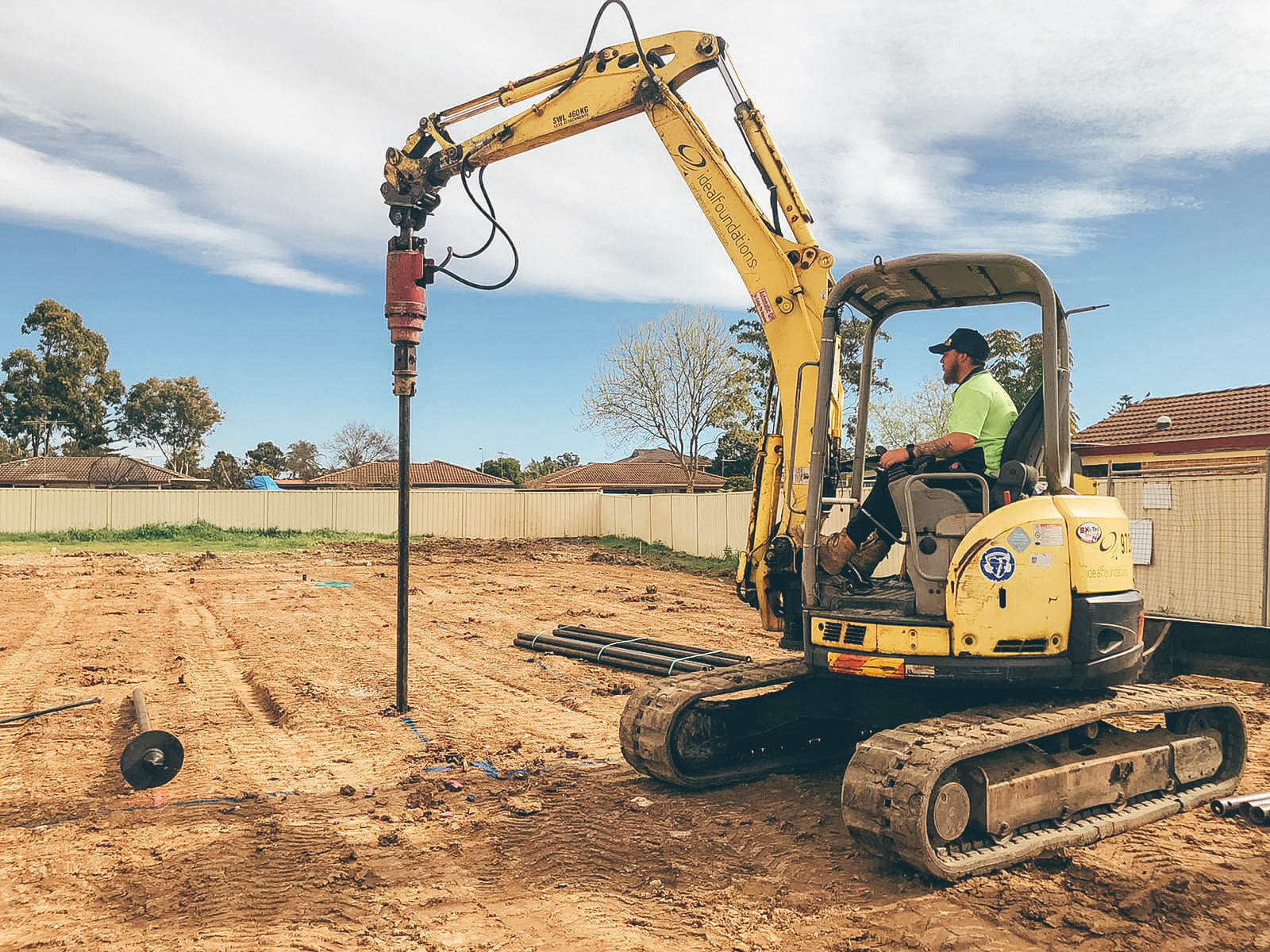
Image Source: Google
When it comes to stabilizing structures, screw pier installation has become a popular choice due to its efficiency and effectiveness. Whether you are dealing with a sinking foundation, uneven floors, or any other structural issue, screw piers can provide the stability you need. To get more information about screw pier installation, you may browse this website.
In this article, we will explore the process of screw pier installation and how you can master this art to solve your structural problems.
The Basics of Screw Piers
What are Screw Piers?
- Screw piers, also known as helical piers or helical piles, are steel shafts with helical blades that are used to stabilize structures.
- They are screwed into the ground until they reach stable soil or bedrock, providing support for the structure above.
Advantages of Screw Piers
- Quick and easy installation process
- Minimal disruption to the surrounding area
- Can be installed in any weather conditions
- Provide immediate load-bearing capacity
- Can be used for both new construction and foundation repair
Mastering the Art of Screw Pier Installation
Step-by-Step Guide
- Site Evaluation: Before installation, evaluate the site to determine the number and placement of screw piers needed.
- Excavation: Excavate the area where the screw piers will be installed, ensuring it is clear of any debris or obstructions.
- Installation: Using specialized equipment, screw the piers into the ground until the required depth is reached.
- Verification: Once the piers are installed, verify their placement and alignment to ensure they will provide the necessary support.
- Load Testing: Conduct load testing to ensure the screw piers can bear the weight of the structure.
- Backfilling: Finally, backfill the excavated area and restore the site to its original condition.
Tips for Successful Installation
- Work with experienced professionals who have the necessary equipment and expertise for screw pier installation.
- Ensure proper soil testing is conducted to determine the appropriate depth and placement of the screw piers.
- Follow the manufacturer's guidelines for installation to ensure the screw piers perform as intended.
- Regularly inspect and maintain the screw piers to ensure they continue to provide the necessary support over time.
Conclusion
Mastering the art of screw pier installation can help you effectively address structural problems and ensure the stability of your building. By understanding the basics of screw piers, following a step-by-step guide for installation, and implementing tips for success, you can confidently tackle any structural issue that comes your way. Whether you are a homeowner looking to stabilize your foundation or a contractor working on a new construction project, screw piers offer a reliable solution that can stand the test of time.
Investing can be a daunting task for many individuals. With countless options available in the market, it can be overwhelming to determine where to put your hard-earned money. However, with the right guidance and expertise, navigating the world of investments can become more manageable and even profitable. PPF Manhasset is a renowned investment firm that specializes in helping clients achieve their financial goals through strategic investment planning.

The Importance of Investment Planning
Investment planning is crucial for anyone looking to secure their financial future and build wealth over time. Without a proper investment strategy in place, individuals risk making hasty decisions that could result in financial losses. PPF Manhasset understands the importance of investment planning and works closely with clients to develop personalized investment strategies tailored to their unique financial goals and risk tolerance.
Benefits of Investment Planning with PPF Manhasset
- Personalized approach: PPF Manhasset takes the time to understand each client's financial situation, goals, and risk tolerance to create a customized investment plan.
- Expertise: With years of experience in the financial industry, PPF Manhasset's team of experts offers valuable insights and guidance to help clients make informed investment decisions.
- Diversification: PPF Manhasset helps clients diversify their investment portfolios to reduce risk and maximize returns.
- Monitoring and adjustments: PPF Manhasset continuously monitors clients' portfolios and makes adjustments as needed to ensure they remain aligned with their financial goals.
Investment Options Offered by PPF Manhasset
PPF Manhasset offers a wide range of investment options to cater to the diverse needs and preferences of its clients. Whether you are looking to grow your wealth through long-term investments or generate passive income through short-term opportunities, PPF Manhasset has you covered.
Some of the investment options offered by PPF Manhasset include:
- Stocks: Investing in individual stocks can provide high returns but also comes with higher risks. PPF Manhasset helps clients identify promising stocks and create a well-balanced portfolio.
- Mutual Funds: Mutual funds offer diversification and professional management, making them a popular choice for many investors. PPF Manhasset helps clients select mutual funds that align with their investment goals.
- Bonds: Bonds are considered a safer investment option compared to stocks and can provide steady income. PPF Manhasset assists clients in building a bond portfolio suited to their risk tolerance.
- Real Estate: Real estate investments offer the potential for long-term appreciation and passive income. PPF Manhasset guides clients through the process of investing in real estate properties.
Why Choose PPF Manhasset for Your Investment Needs
PPF Manhasset stands out as a premier investment firm for several reasons. From personalized service to a diverse range of investment options, PPF Manhasset is dedicated to helping clients achieve their financial goals and secure their future.
Here are some reasons to consider PPF Manhasset for your investment needs:
- Experience: With decades of experience in the financial industry, PPF Manhasset has a proven track record of helping clients succeed in their investment endeavors.
- Personalized service: PPF Manhasset prides itself on providing personalized service to each client, ensuring their investment needs are met with precision and care.
- Transparent fees: PPF Manhasset believes in transparent pricing and does not charge hidden fees, allowing clients to have a clear understanding of the cost involved.
- Ongoing support: PPF Manhasset offers ongoing support and guidance to clients, helping them navigate the ever-changing landscape of the financial market.
Overall, navigating the world of investments can be a complex process, but with the right partner by your side, it can become a rewarding and profitable journey. PPF Manhasset combines expertise, personalized service, and a wide range of investment options to help clients make sound investment decisions and achieve their financial goals.

When it comes to capturing the essence and beauty of your special day, hiring a top-quality wedding videographer is essential. In Rhode Island, couples are fortunate to have access to some of the best in the industry. Among them, one standout videographer shines brightly, consistently exceeding expectations and creating breathtaking cinematic masterpieces – capturing the love, joy, and emotion of each wedding they film. Let's delve into the world of Rhode Island's top wedding videographer and discover what sets them apart from the rest.
The Expertise Behind the Lens
With years of experience and a passion for storytelling, Rhode Island's top wedding videographer brings a unique and artistic approach to every project they undertake. Their expertise shines through in every frame, capturing the most intimate moments and creating a timeless masterpiece that couples will cherish for years to come.
Key features of their expertise include:
- Extensive experience in filming weddings of all sizes and styles
- Ability to adapt their filming style to suit the couple's preferences
- An eye for detail and a knack for capturing candid moments
- Proficiency in editing to create a seamless and visually stunning final product
The Art of Storytelling
What sets Rhode Island's top wedding videographer apart is their ability to weave a compelling narrative through their films. Each wedding video is not just a documentation of events but a storytelling masterpiece that captures the essence of the day – from the nervous excitement of getting ready to the heartfelt vows and the jubilant celebrations that follow.
Key elements of their storytelling approach include:
- Emphasis on emotion and connection between the couple
- Seamless integration of speeches, vows, and well-wishes from loved ones
- Use of music to enhance the mood and evoke powerful emotions
- Creative editing techniques to bring the story to life
Creating Cinematic Magic
Rhode Island's top wedding videographer doesn't just capture moments; they create cinematic magic that transports viewers back to the day of the wedding, evoking the same emotions and sentiments felt on that special day. Through stunning visuals, expert editing, and a keen eye for detail, they transform wedding videos into works of art.
Key aspects of their cinematic style include:
- Use of high-quality cameras and equipment for crisp, clear images
- Incorporation of drone footage for breathtaking aerial views
- Knowledge of lighting techniques to create mood and ambiance
- Customized color grading to achieve a cinematic look
Client Love and Testimonials
It is no wonder that Rhode Island's top wedding videographer has garnered a loyal following of satisfied clients who rave about their exceptional work. Testimonials from couples who have had their weddings filmed by this videographer speak volumes about the quality of their service and the beauty of their films.
Here are some glowing testimonials from happy clients:
- "We couldn't be happier with our wedding video! It captured the essence of our special day perfectly, and we will treasure it forever." – Sarah and Mark
- "The attention to detail and the storytelling in our wedding video were beyond our expectations. Thank you for creating such a beautiful keepsake for us." – Emily and David
- "Watching our wedding video felt like reliving the day all over again. The emotions, the joy, and the love were captured so beautifully. Thank you for your amazing work." – Jessica and Michael
Booking Rhode Island's Top Wedding Videographer
If you are planning your wedding in Rhode Island and want to ensure that every precious moment is captured with artistry and skill, look no further than Rhode Island's top wedding videographer. Booking them for your special day will guarantee you a stunning wedding video that you will cherish for a lifetime.
To inquire about their services and availability, contact them at:
- Email: info@topweddingvideorire.com
- Phone: 555-555-5555
- Website: www.topweddingvideorire.com

When it comes to maintaining a youthful appearance and enhancing natural beauty, many people are turning to cosmetic procedures such as fillers. The Cayman Islands have become a popular destination for those seeking high-quality filler treatments in a luxurious setting. From lip fillers to cheek enhancements, there are numerous options available for individuals looking to enhance their features and boost their confidence. Let's explore the beauty secrets of fillers in the Cayman Islands.
The Rise of Fillers in the Cayman Islands
Filler treatments have seen a significant rise in popularity in the Cayman Islands in recent years. More and more individuals are opting for these non-invasive procedures to achieve a more youthful and refreshed appearance. The allure of fillers lies in their ability to enhance natural beauty without the need for surgery, downtime, or extensive recovery periods.
Benefits of Fillers
- Instant results: Fillers provide immediate results, with most patients noticing a difference right after the treatment.
- Non-invasive: Fillers are a non-invasive alternative to surgical procedures, making them a popular choice for those looking to enhance their appearance without going under the knife.
- No downtime: Unlike surgery, filler treatments require minimal downtime, allowing patients to resume their daily activities shortly after the procedure.
- Natural-looking results: With advancements in filler technology, patients can achieve natural-looking results that enhance their features without looking overdone.
Popular Filler Treatments in the Cayman Islands
From plumping lips to defining cheekbones, there are various filler treatments available for individuals looking to enhance their appearance. Some of the most popular filler treatments in the Cayman Islands include:
Lip Fillers
Lip fillers are a popular choice for those looking to achieve fuller and more defined lips. Whether you want to add volume to thin lips or enhance your lip shape, lip fillers can help you achieve the desired look.
Cheek Enhancements
Cheek enhancements are another sought-after filler treatment in the Cayman Islands. By adding volume to the cheeks, patients can achieve a more youthful and sculpted appearance.
Nasolabial Fold Fillers
Nasolabial fold fillers target the lines that run from the nose to the mouth, helping to reduce the appearance of wrinkles and fine lines in this area.
Choosing a Filler Provider in the Cayman Islands
When it comes to choosing a filler provider in the Cayman Islands, it is essential to do your research and select a reputable and experienced practitioner. Here are some factors to consider when selecting a filler provider:
Qualifications and Experience
- Ensure that the practitioner performing the filler treatment is trained, qualified, and experienced in administering fillers.
- Ask to see before and after photos of previous patients to gauge the practitioner's skill and expertise.
Quality of Products
- Verify that the filler products used by the provider are of high quality and FDA-approved.
- Ask about the ingredients in the fillers and any potential side effects or risks associated with the treatment.
Client Reviews and Testimonials
- Read client reviews and testimonials to get an idea of the provider's reputation and the satisfaction levels of previous patients.
- Ask for references or recommendations from friends or family members who have undergone filler treatments.
Conclusion
Filler treatments have become a popular choice for individuals looking to enhance their natural beauty and achieve a more youthful appearance. In the Cayman Islands, patients can benefit from high-quality filler treatments in a luxurious and tranquil setting. Whether you are interested in lip fillers, cheek enhancements, or nasolabial fold fillers, there are numerous options available to help you achieve your desired look. By choosing a reputable and experienced filler provider, you can unlock the beauty secrets of fillers and enhance your features with confidence.

Image Source: Google
Glass drilling can be a daunting task, but with the right tips and techniques, you can achieve a professional finish that adds a touch of elegance to your projects. Whether you are working on creating glass decorations, installing glass shelves, or crafting unique glass jewelry, mastering the art of glass drilling is essential. To get more details about glass drilling then visit this website.
Choosing the Right Tools
Essential tools for glass drilling include:
- Diamond drill bits: These are specifically designed for drilling through glass and provide clean and precise holes.
- Electric drill or drill press: Ensure that your drill operates at a low speed to prevent cracking or shattering of the glass.
- Masking tape: Helps to create a barrier on the glass surface and prevents the drill bit from slipping.
- Coolant: Using water or a specialized glass cutting coolant helps to lubricate the drill bit and keep it cool during the drilling process.
- Safety gear: Safety glasses and gloves are essential to protect yourself from glass shards and debris.
Preparing the Glass Surface
Proper preparation of the glass surface is crucial to ensure a successful drilling process. Follow these steps before you start drilling:
Steps for preparing the glass surface:
- Clean the glass: Use a mild detergent and water to clean the glass surface thoroughly. This will remove any dirt, dust, or residues that can affect the drilling process.
- Mark the drilling spot: Use a marker or tape to mark the exact spot where you want to drill the hole. This will help you stay on track and avoid any mistakes.
- Secure the glass: Place the glass on a flat and stable surface to prevent it from moving during drilling. You can also use a clamp or vacuum suction to hold the glass in place.
Drilling Techniques
When it comes to drilling glass, using the right techniques is key to achieving a professional finish. Follow these tips to drill through glass like a seasoned pro:
Tips for successful glass drilling:
- Start slow: Begin drilling at a low speed to create a small indentation on the glass surface. This will prevent the drill bit from slipping and ensure a clean hole.
- Use steady pressure: Apply gentle and consistent pressure while drilling to avoid putting too much force on the glass, which can lead to cracking.
- Keep it cool: Use a coolant to lubricate the drill bit and keep it cool throughout the drilling process. This will prevent overheating and prolong the life of your drill bit.
- Reverse the drill: If you are drilling through a thick piece of glass, periodically reverse the drill to clear away glass debris and prevent overheating.
Finishing Touches
After drilling the hole in the glass, it's important to finish the edges for a polished look and to prevent any sharp edges. Follow these steps to complete the drilling process:
Steps for finishing the drilled hole:
- Sand the edges: Use fine-grit sandpaper or a diamond file to smooth out the edges of the hole and remove any sharp points.
- Clean the glass: Wipe the glass surface with a damp cloth to remove any debris or dust generated during the drilling process.
- Inspect the hole: Check the drilled hole for any imperfections or rough edges. Make any necessary touch-ups to achieve a smooth and professional finish.
By following these tips and techniques, you can master the art of glass drilling and create stunning glass projects with precision and elegance. Remember to practice patience and caution while drilling to achieve the best results. With the right tools and skills, you can take your glass drilling abilities to the next level and impress with your professional finish.

As the temperatures rise during the summer months, having a functional air conditioner is essential for staying cool and comfortable. However, if your AC unit is not working properly, it can be a costly expense to hire a professional to repair it. Fortunately, with some expert tips and guidance, you can attempt to repair your air conditioner on your own and save money in the process. In this article, we will provide you with actionable tips to help you troubleshoot and fix common AC issues, so you can stay cool all summer long without breaking the bank.
1. Safety First
Always prioritize safety when working on your air conditioner. Follow these safety tips:
- Turn off the power: Before you start working on your AC unit, make sure to turn off the power to the unit to avoid any electrical accidents.
- Wear protective gear: To protect yourself from any injuries, wear gloves, safety goggles, and appropriate clothing while working on your air conditioner.
- Use proper tools: Make sure to use the right tools for the job and follow the manufacturer's instructions carefully.
2. Common AC Problems and Solutions
Here are some common air conditioner problems and how you can fix them:
- Dirty air filters: One of the most common issues with air conditioners is dirty air filters. Clean or replace your air filters regularly to ensure proper airflow and efficiency.
- Refrigerant leaks: If you notice that your AC unit is not cooling properly, it may be due to a refrigerant leak. Check for leaks and seal them using a refrigerant repair kit.
- Frozen coils: If your AC unit's coils are frozen, it could be due to restricted airflow. Check for obstructions and clean the coils to restore proper function.
3. DIY Maintenance Tips
Keep your air conditioner running smoothly with these maintenance tips:
- Clean the condenser coils: The condenser coils in your AC unit can accumulate dirt and debris over time, affecting its efficiency. Use a coil cleaner to remove dirt and maintain the coils.
- Check for leaks: Inspect your AC unit regularly for any leaks or unusual noises. Address any issues promptly to prevent further damage.
- Monitor airflow: Ensure that the airflow from your AC unit is consistent and strong. Clean or replace air filters as needed to maintain proper airflow.
4. When to Call a Professional
While DIY repairs can help you save money, there are times when it's best to call a professional. Consider hiring a professional if:
- You are unsure about the issue: If you are not confident in your ability to diagnose or fix the problem, it's best to seek the help of a professional.
- The repairs are complex: Some AC issues, such as compressor or motor problems, may require specialized tools and expertise to fix.
- Safety concerns: If you encounter any safety hazards while working on your AC unit, stop immediately and call a professional for assistance.
5. Conclusion
By following these expert tips for DIY air conditioner repair, you can save money and stay cool this summer. Remember to prioritize safety, troubleshoot common AC problems, perform regular maintenance, and know when to call a professional for assistance. With a little effort and know-how, you can keep your air conditioner in top condition and enjoy a comfortable indoor environment even on the hottest days.

Image Source- Google
Are you craving a peaceful getaway surrounded by the beauty of nature? Consider renting a secluded cabin in an island park for a truly serene retreat. Away from the hustle and bustle of everyday life, these hidden gems offer a chance to relax, unwind, and reconnect with yourself and the natural world. Read on to discover the magic of escaping to a secluded cabin in an island park. You may browse this site https://www.bluebuffaloresort.com/book-now to compare island park cabin rental prices and amenities.
Tranquil Seclusion Amidst Nature
Escape the Noise and Stress
- Leave behind the noise and stress of the city and immerse yourself in the tranquil sounds of nature.
- Enjoy the peace and quiet of the island park, where the only sounds you'll hear are the rustling of leaves and the chirping of birds.
Surrounded by Natural Beauty
- Wake up to breathtaking views of lush forests, sparkling lakes, and majestic mountains.
- Explore the island park's hiking trails, pristine beaches, and hidden waterfalls for a truly immersive nature experience.
Cozy Cabin Retreat
Rustic Charm and Modern Comfort
- Experience the best of both worlds with a cozy cabin that combines rustic charm with modern amenities.
- Cuddle up by the fireplace, relax on the deck with a cup of coffee, or stargaze from the comfort of your cabin.
Home Away from Home
- Enjoy all the comforts of home, including a fully equipped kitchen, comfortable beds, and a clean, inviting living space.
- Unwind in your private cabin retreat and savor the simple joys of a slower pace of life.
Activities and Adventures
Outdoor Exploration
- Embark on outdoor adventures such as fishing, kayaking, hiking, and wildlife watching in the island park.
- Connect with nature and explore the wonders of the great outdoors right at your doorstep.
Relaxation and Rejuvenation
- Indulge in relaxation with a book on the porch, a leisurely walk through the woods, or a soothing soak in a hot tub.
- Rejuvenate your body, mind, and spirit in the peaceful surroundings of the island park.
Booking Your Secluded Cabin Retreat
Plan Your Escape
- Research island parks with secluded cabin rentals and choose a location that speaks to your soul.
- Check availability, amenities, and booking options to plan the perfect retreat that fits your needs and preferences.
Pack Your Bags
- Prepare for your secluded cabin retreat by packing essentials such as comfortable clothing, hiking shoes, a camera, and any personal items you may need.
- Don't forget to bring any special items that will enhance your experience, such as a journal, art supplies, or a favorite book.
Embark on a journey to serenity and peace by renting a secluded cabin in an island park. Escape the noise and stress of everyday life, surround yourself with natural beauty, and enjoy a cozy cabin retreat with all the comforts of home. Whether you seek outdoor adventures or relaxation and rejuvenation, a secluded cabin in an island park offers the perfect setting for a peaceful retreat. Book your getaway today and experience the magic of escaping to a hidden gem in nature.