
Image Source: Google
Love is a powerful force that can make us feel invincible, but sometimes even the strongest love isn't enough to sustain a relationship. While love is a critical foundation for any partnership, there are various complex factors that can come into play and make breaking up the best decision for both individuals involved. Let's explore some of the reasons why love isn't always enough and why starting fresh might be the right choice. Refer Link: https://rebellove.com/relationships/reasons-to-break-up/
Unresolved Issues Can Take a Toll
Communication Breakdown
- When communication breaks down in a relationship, it can be challenging to address and resolve issues effectively.
- Poor communication can lead to misunderstandings, resentment, and a sense of disconnect between partners.
- Without open and honest communication, love alone may not be sufficient to overcome the obstacles that arise in a relationship.
Different Values and Goals
- If partners have fundamentally different values or long-term goals, it can create significant challenges in the relationship.
- Conflicting values can lead to frequent disagreements and a sense of being incompatible in the long run.
- While love may be present, incompatible values can ultimately drive partners apart and make it difficult to envision a shared future together.
Personal Growth and Change
Individual Development
- As individuals grow and change over time, their needs and desires may evolve as well.
- Personal growth can lead to new aspirations, interests, and priorities that may not align with those of a partner.
- In some cases, the love that once held a couple together may not be enough to bridge the gap created by diverging paths of personal development.
Toxic Patterns and Behaviors
- If a relationship is marred by toxic patterns, such as constant criticism, manipulation, or abuse, love alone cannot heal the wounds caused by such behavior.
- Continuing in a toxic relationship can have detrimental effects on one's mental health and overall well-being.
- Recognizing when love is being overshadowed by toxic behaviors is crucial in making the decision to break free and prioritize personal growth and healing.
External Pressures and Circumstances
External Influences
- External pressures, such as financial stress, family dynamics, or societal expectations, can place strain on a relationship.
- These external influences can create tension between partners and make it challenging to maintain a healthy and fulfilling connection.
- While love may exist between partners, external pressures can sometimes outweigh the strength of that love and necessitate a reevaluation of the relationship.
Lack of Support Systems
- If a relationship lacks the necessary support systems, such as friends, family, or professional help, it can become increasingly difficult to navigate challenges together.
- Support systems play a crucial role in helping couples weather storms and overcome obstacles as a team.
- Without adequate support, even the deepest love may struggle to endure the hardships that life can throw their way.
Conclusion
While love is undoubtedly a profound and essential component of any relationship, it is not always sufficient to sustain a partnership in the face of various complexities and challenges. Recognizing when love alone is not enough and when it may be time to consider breaking up and starting fresh can be a difficult but necessary step towards personal growth and happiness. By addressing unresolved issues, embracing personal development, and acknowledging external pressures, individuals can make informed decisions about the future of their relationships. Remember, it is okay to prioritize your well-being and make choices that align with your values and goals, even if it means letting go of a relationship built on love.

Image Source: Google
Nonprofit organizations play a crucial role in addressing social issues, supporting communities, and making a positive impact on the world. At the heart of every successful nonprofit is effective leadership that drives the organization forward and ensures its mission is fulfilled. However, finding the right leaders for nonprofit organizations can be a daunting task. This is where executive search firms specialized in nonprofit executive search firms come into play.
The Role of Executive Search Firms in Nonprofit Leadership
Services Offered by Executive Search Firms
Executive search firms focused on nonprofit leadership offer a range of services tailored to the unique needs of nonprofit organizations. Some of the key services they provide include:
- Identifying and recruiting top talent for executive positions
- Conducting comprehensive searches to find candidates who align with the organization's mission and values
- Assessing candidates for their leadership skills, experience, and cultural fit
- Providing guidance and support throughout the recruitment and selection process
Benefits of Working with Executive Search Firms
Collaborating with executive search firms specializing in nonprofit leadership can offer numerous benefits to nonprofit organizations, including:
- Access to a wider network of qualified candidates with experience in the nonprofit sector
- Expertise in identifying and assessing candidates who are passionate about the organization's mission
- Efficient and streamlined recruitment processes that save time and resources for the organization
- Increased likelihood of finding the right fit for executive roles, leading to long-term organizational success
Best Practices for Nonprofit Organizations When Working with Executive Search Firms
Define Your Leadership Needs
Before engaging with an executive search firm, nonprofit organizations should clearly define their leadership needs and expectations. This includes identifying specific skills, experience, and qualities required for the executive position.
Communicate Your Mission and Values
It is essential for nonprofit organizations to effectively communicate their mission, values, and organizational culture to the executive search firm. This ensures that the firm can target candidates who align with the organization's core beliefs and objectives.
Collaborate Closely with the Search Firm
Successful partnerships between nonprofit organizations and executive search firms are built on close collaboration and communication. Nonprofit leaders should actively engage with the search firm throughout the recruitment process to provide feedback and insights.
Ensure Transparency and Accountability
Transparency and accountability are key principles that should guide the relationship between nonprofit organizations and executive search firms. Organizations should maintain open communication and clearly outline expectations to ensure a successful partnership.
Case Studies: Success Stories of Nonprofit Leadership Placements
Case Study 1: XYZ Foundation
The XYZ Foundation, a nonprofit focused on environmental conservation, partnered with an executive search firm to recruit a new CEO. Through a rigorous search process, the firm identified a candidate with a strong background in environmental advocacy and a proven track record of fundraising success. The new CEO has successfully led the organization in expanding its programs and increasing donor engagement.
Case Study 2: ABC Charity
ABC Charity, a nonprofit dedicated to providing education opportunities for underprivileged youth, worked with an executive search firm to fill the position of Executive Director. The firm helped identify a candidate with extensive experience in youth education programs and a deep commitment to social justice. Under the new leadership, ABC Charity has seen significant growth in its outreach efforts and community impact.
Conclusion
Navigating the world of nonprofit leadership can be a complex and challenging task. Executive search firms specializing in nonprofit leadership play a vital role in helping organizations find the right leaders who can drive their mission forward. By leveraging the expertise and resources of executive search firms, nonprofit organizations can set themselves up for long-term success and make a lasting impact on the communities they serve.

Image Source- Google
More and more people are turning to CBD oil as a natural way to support their health and well-being. With its numerous potential benefits, including pain relief, stress reduction, and improved sleep, CBD oil has gained popularity in recent years. If you're looking to elevate your health and experience the maximum benefits of CBD oil, buying the best quality product is essential. You may visit this website to browse through a variety of cbd oil online.
With the convenience of online shopping, you can easily find high-quality CBD oil from reputable brands. In this article, we will explore the benefits of CBD oil and provide tips on how to choose the best product online.
The Benefits of CBD Oil
CBD, or cannabidiol, is a compound derived from the cannabis plant. Unlike THC, another compound found in cannabis, CBD does not have psychoactive effects. Instead, CBD interacts with the body's endocannabinoid system to promote balance and wellness. Some of the potential benefits of CBD oil include:
- Pain relief: CBD oil has been shown to help reduce chronic pain and inflammation.
- Stress reduction: Many people find that CBD oil helps them relax and reduce feelings of anxiety.
- Improved sleep: CBD oil may help promote better sleep quality and alleviate insomnia.
- Neuroprotective properties: Some studies suggest that CBD oil may have neuroprotective effects, which could benefit those with neurological disorders.
How to Choose the Best CBD Oil Online
Look for Quality and Transparency
When buying CBD oil online, it's important to choose a reputable brand that prioritizes quality and transparency. Here are some things to consider:
- Source of hemp: Look for CBD oil that is made from organic hemp grown in the United States.
- Extraction method: Choose products that are extracted using CO2 extraction, as this method ensures a pure and potent end product.
- Third-party testing: Reputable CBD brands will provide third-party lab test results to verify the potency and purity of their products.
- Ingredients: Avoid products with artificial additives or preservatives, and opt for CBD oil that contains natural ingredients.
Consider the CBD Concentration
The concentration of CBD in a product can vary widely, so it's important to choose a concentration that suits your needs. If you're new to CBD oil, start with a lower concentration and gradually increase as needed. Higher concentrations are typically more potent and may be more suitable for individuals with chronic conditions.
Read Customer Reviews
Before making a purchase, take the time to read customer reviews to get an idea of the product's quality and effectiveness. Look for reviews that mention specific benefits experienced by users, as this can help you gauge whether the product is right for you.
Top Tips for Buying CBD Oil Online
- Research different brands and products to find a reputable and trustworthy manufacturer.
- Check the product's CBD concentration to ensure it meets your needs.
- Look for products that are made from organic hemp and extracted using clean methods.
- Read customer reviews to gauge the product's quality and effectiveness.
- Consider consulting with a healthcare provider before trying CBD oil, especially if you have any underlying health conditions.
Final Thoughts
Buying the best CBD oil online can help you experience the maximum benefits of this natural remedy. By choosing a high-quality product from a reputable brand, you can support your health and well-being in a safe and effective way. Remember to do your research, consider the concentration of CBD, and read customer reviews before making a purchase. With the right product, you can elevate your health and enjoy the numerous benefits that CBD oil has to offer.
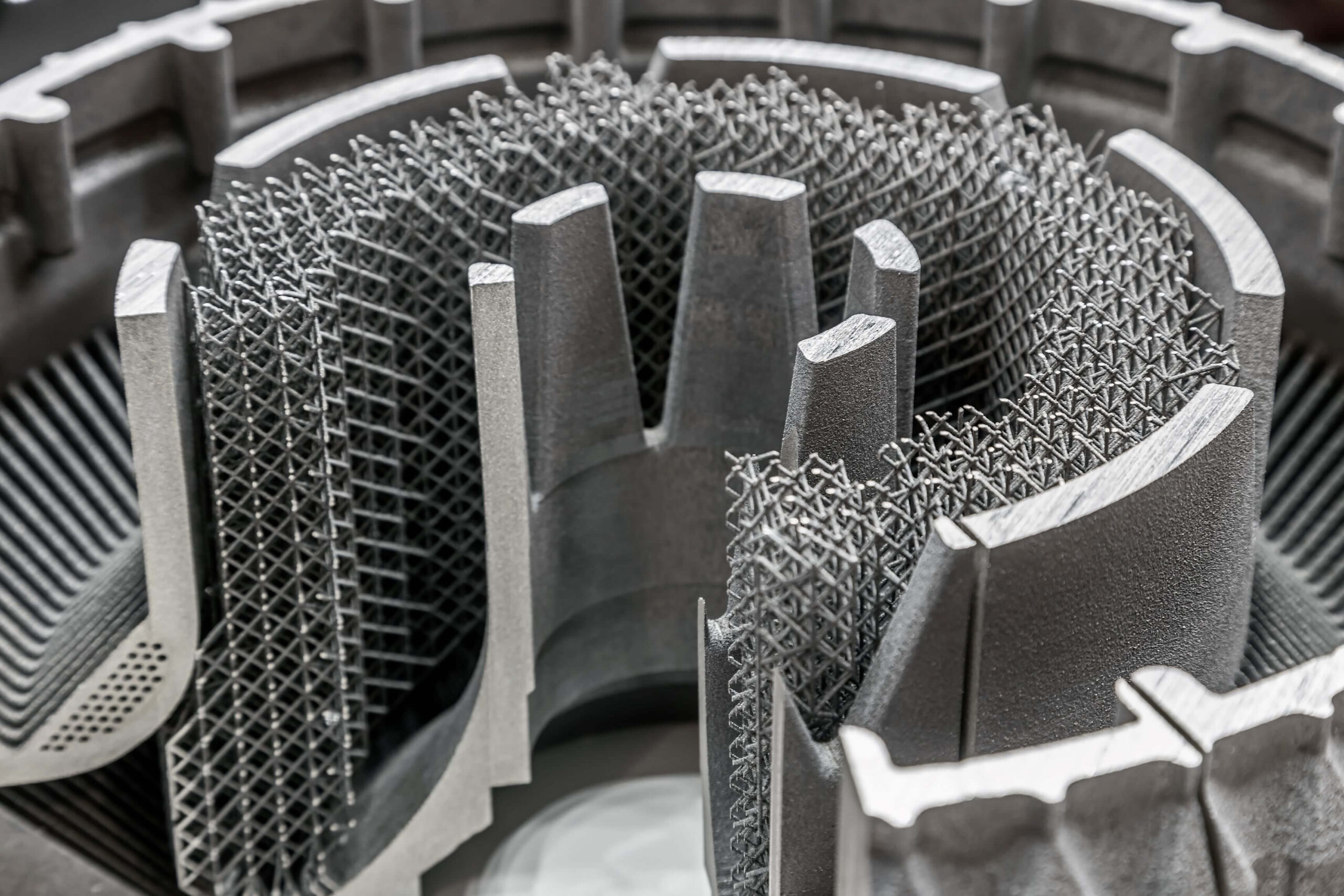
Image source: Google
In the world of manufacturing and prototyping, precision and efficiency are two crucial factors that can make or break a project. With the advancements in technology, professionals now have access to cutting-edge solutions like Selective Laser Sintering (SLS) 3D printing. This technology offers unparalleled precision and efficiency in creating complex parts and functional prototypes. By leveraging professional SLS 3D printing services, businesses can unlock a world of possibilities and take their projects to new heights.
Benefits of Professional SLS 3D Printing Services
1. Precision Engineering
- SLS 3D printing allows for the creation of highly detailed and intricate designs with micron-level precision.
- The technology ensures consistent part quality and accuracy, eliminating the margin for human error.
- Professional SLS 3D printing services utilize advanced software and equipment to achieve precise results every time.
2. Fast Turnaround Times
- Professional SLS 3D printing services offer quick turnaround times, allowing businesses to accelerate their product development cycles.
- Rapid prototyping capabilities enable designers to iterate on their designs quickly and efficiently.
- Short lead times ensure that projects stay on schedule and meet tight deadlines.
3. Cost-Effectiveness
- By outsourcing their SLS 3D printing needs to professionals, businesses can save on the costs of purchasing and maintaining equipment.
- Professional services optimize material usage and reduce waste, resulting in cost savings for the client.
- Efficient production processes help minimize production costs and improve overall project economics.
Applications of Professional SLS 3D Printing Services
Professional SLS 3D printing services find applications across a wide range of industries and sectors. Here are some key areas where the technology excels:
1. Aerospace and Defense
- SLS 3D printing enables the rapid prototyping and production of lightweight, high-strength components for aerospace and defense applications.
- The technology's ability to create complex geometries allows for the optimization of parts for enhanced performance.
2. Healthcare and Medical Devices
- Professional SLS 3D printing services are used to produce custom implants, prosthetics, and medical devices with precise dimensions and compatibility.
- The technology offers biocompatible materials suitable for medical use, ensuring patient safety and comfort.
3. Automotive and Transportation
- SLS 3D printing is employed in the automotive industry to manufacture lightweight parts, tooling, and prototypes for vehicle testing and production.
- The technology's efficiency in creating complex shapes and structures makes it ideal for automotive applications that require high-performance components.
Choosing the Right Professional SLS 3D Printing Service Provider
When selecting a professional SLS 3D printing service provider, there are several factors to consider to ensure the best results for your project:
1. Experience and Expertise
- Look for a service provider with a proven track record in SLS 3D printing and experience in handling projects similar to yours.
- Check for certifications and industry affiliations that demonstrate their commitment to quality and excellence.
2. Technology and Equipment
- Ensure that the service provider uses state-of-the-art SLS 3D printing technology and equipment to deliver precise and efficient results.
- Ask about the range of materials available and their compatibility with your project requirements.
3. Customer Service and Support
- Choose a service provider that offers excellent customer service and support throughout the project lifecycle.
- Communication is key, so make sure there is clear and timely feedback on project status and updates.
Conclusion
Professional SLS 3D printing services provide a gateway to precision and efficiency in manufacturing and prototyping. By partnering with a reputable service provider, businesses can harness the full potential of SLS technology to bring their projects to life with unmatched quality and speed. Whether you're in aerospace, healthcare, automotive, or any other industry, professional SLS 3D printing services offer a competitive edge that can take your creations to the next level.

Are you looking for a unique and creative way to spend your time in Montreal? Pottery workshops offer a hands-on experience that allows you to tap into your artistic side while learning a new skill. Whether you're a beginner or an experienced potter, these workshops provide a fun and engaging environment to explore the world of ceramics. In this article, we will explore some of the best pottery workshops in Montreal where you can get your hands dirty and unleash your creativity.
The Art of Pottery
Pottery is an ancient art form that involves creating objects out of clay and firing them in a kiln to harden them. It is a versatile medium that allows for endless possibilities in terms of shape, texture, and design. Working with clay can be a therapeutic and meditative experience, as you use your hands to shape and mold the material into your desired form.
Benefits of Pottery Workshops
- Relaxation and stress relief
- Boosts creativity and self-expression
- Improves focus and concentration
- Strengthens hand-eye coordination
- Builds patience and perseverance
Top Pottery Workshops in Montreal
1. The Potters' Studio
The Potters' Studio is a well-known pottery studio in Montreal that offers a variety of classes and workshops for all skill levels. Whether you're interested in hand-building techniques or wheel throwing, their experienced instructors will guide you through the process and help you create your own masterpiece.
2. La Ruche d'Art Saint-Henri
Located in the vibrant Saint-Henri neighborhood, La Ruche d'Art offers pottery workshops in a cozy and welcoming environment. Their small class sizes allow for personalized instruction and hands-on assistance, making it a great place for beginners to learn the basics of pottery.
3. Studio B. Pottery
Studio B. Pottery is a contemporary pottery studio that focuses on modern ceramics and design. Their workshops cover a range of techniques, from hand-building to glazing, and are perfect for those looking to explore the intersection of art and function in pottery.
What to Expect in a Pottery Workshop
When you sign up for a pottery workshop in Montreal, here's what you can typically expect:
- Introduction to basic pottery techniques
- Demonstrations by experienced instructors
- Hands-on practice with clay
- Guidance and feedback on your projects
- Opportunity to glaze and finish your creations
- Firing of your pieces in a kiln
Tips for a Successful Pottery Workshop Experience
- Wear clothes that you don't mind getting dirty
- Come with an open mind and be willing to experiment
- Ask questions and seek feedback from instructors
- Practice patience and embrace imperfections in your work
- Have fun and enjoy the process of creating something with your hands
Conclusion
Embarking on a pottery workshop in Montreal is a fantastic way to engage with your creative side, learn a new skill, and meet like-minded individuals who share your passion for art. Whether you're looking to de-stress, unleash your creativity, or simply try something new, pottery workshops offer a fun and rewarding experience that you won't soon forget. So why wait? Get your hands dirty and start creating your own pottery masterpiece today!

Image Source: Google
Color overlays are a versatile tool that can breathe new life into your visual content. By adding a semi-transparent colored layer on top of an image or graphic, you can change the mood, enhance the message, and make your visuals more striking. In this article, we will explore some creative ways to use color overlays to transform your visual content. Refe link: https://www.seeitright.com/overlays.html
1. Enhance the Mood of Your Images
Color overlays can be used to evoke different emotions and enhance the mood of your images. By choosing the right color overlay, you can create a cohesive and impactful visual story. Here are some ways to enhance the mood of your images using color overlays:
- Use warm colors like red, orange, and yellow to create a sense of warmth and comfort.
- Use cool colors like blue, green, and purple to evoke calmness and serenity.
- Use bright and vibrant colors to add energy and excitement to your images.
2. Create Visual Hierarchy
Color overlays can also help you create visual hierarchy in your designs by guiding the viewer's eye to specific elements. By adding a color overlay to the background or foreground of an image, you can make certain elements stand out and draw attention. Here are some tips for creating visual hierarchy with color overlays:
- Use a darker color overlay on the background to make the foreground elements pop.
- Experiment with different color intensities to create depth and dimension in your designs.
- Combine color overlays with other design elements like text and graphics to create a cohesive visual composition.
3. Branding and Consistency
Color overlays can be a powerful tool for branding and creating visual consistency across your marketing materials. By using your brand colors as overlays in your images and graphics, you can reinforce brand recognition and create a cohesive visual identity. Here are some ways to use color overlays for branding and consistency:
- Apply your brand colors as overlays to product photos, social media graphics, and website banners.
- Use consistent color overlays across different platforms to create a unified brand experience for your audience.
- Experiment with different shades and tints of your brand colors to create visual interest while maintaining brand consistency.
4. Transform Black and White Images
Color overlays can be a fun and creative way to transform black and white images into colorful and engaging visuals. By adding a pop of color to a black and white image, you can create a unique and eye-catching effect that grabs attention. Here are some ideas for transforming black and white images with color overlays:
- Choose a single color overlay to emphasize a specific element in the image.
- Experiment with multiple color overlays to create a vibrant and dynamic look.
- Blend different colors to create a gradient effect that adds depth and dimension to the image.
5. Create Textures and Patterns
Color overlays can also be used to create interesting textures and patterns in your visual content. By overlaying colors with different opacities and blending modes, you can achieve a variety of effects that add depth and visual interest to your designs. Here are some ways to create textures and patterns with color overlays:
- Overlay two complementary colors with different opacities to create a textured effect.
- Experiment with geometric patterns and color overlays to create modern and abstract designs.
- Use color overlays to simulate natural textures like watercolor or marble in your visuals.
Color overlays offer endless possibilities for transforming your visual content and expressing your creativity. Whether you want to enhance the mood of your images, create visual hierarchy, strengthen your branding, or simply add a pop of color to your designs, color overlays can help you achieve your desired look.

Image Source: Google
Yoga is a practice that has been around for centuries, offering a holistic approach to health and well-being. Whether you're looking to improve your physical strength, flexibility, mental clarity, or reduce stress, beginner yoga classes can be a great way to start your journey. These classes are designed for those who are new to yoga or have limited experience, making them the perfect entry point for anyone looking to unlock their potential and transform their mind and body.
The Benefits of Beginner Yoga Classes
Improved Physical Health
- Beginner yoga classes help improve flexibility, strength, and balance.
- Yoga can aid in relieving chronic pain and reducing the risk of injury.
- Regular practice can help with weight management and improve overall physical health.
Enhanced Mental Well-being
- Yoga can reduce stress, anxiety, and depression.
- Practicing mindfulness in yoga can improve focus and mental clarity.
- Improved self-awareness and self-acceptance through yoga practice.
What to Expect in Beginner Yoga Classes
Basic Poses and Alignment
In beginner yoga classes, you can expect to learn the basic yoga poses and proper alignment. The instructor will guide you through each pose, ensuring you understand how to do it correctly to prevent injury and maximize its benefits.
Breathing Techniques
Yoga emphasizes the connection between breath and movement. Beginner classes will teach you various breathing techniques that help you stay present, calm your mind, and enhance your practice.
Relaxation and Meditation
Most beginner classes end with a relaxation or meditation session. This helps you to unwind, reduce stress, and integrate the benefits of your physical practice into your mental well-being.
Tips for Getting the Most Out of Beginner Yoga Classes
Listen to Your Body
- Respect your body's limits and only go as far as you feel comfortable.
- Communicate with your instructor if you have any injuries or concerns.
- Remember that yoga is a personal practice, and it's okay to modify poses to suit your needs.
Be Consistent
- Try to attend classes regularly to build a foundation and see progress.
- Consistency is key to experiencing the full benefits of yoga practice.
Stay Open-Minded
- Yoga is a journey of self-discovery, so approach it with an open mind and heart.
- Be willing to try new things and explore different aspects of the practice.
Final Thoughts
Beginner yoga classes offer a safe and supportive environment for you to explore the practice of yoga and all its benefits. By attending these classes, you have the opportunity to unlock your potential, transform your mind and body, and embark on a journey of self-discovery and well-being. Whether you're looking to improve your physical health, mental well-being, or simply want to try something new, beginner yoga classes can be a transformative experience.

Image Source: Google
When it comes to stabilizing structures, screw pier installation has become a popular choice due to its efficiency and effectiveness. Whether you are dealing with a sinking foundation, uneven floors, or any other structural issue, screw piers can provide the stability you need. To get more information about screw pier installation, you may browse this website.
In this article, we will explore the process of screw pier installation and how you can master this art to solve your structural problems.
The Basics of Screw Piers
What are Screw Piers?
- Screw piers, also known as helical piers or helical piles, are steel shafts with helical blades that are used to stabilize structures.
- They are screwed into the ground until they reach stable soil or bedrock, providing support for the structure above.
Advantages of Screw Piers
- Quick and easy installation process
- Minimal disruption to the surrounding area
- Can be installed in any weather conditions
- Provide immediate load-bearing capacity
- Can be used for both new construction and foundation repair
Mastering the Art of Screw Pier Installation
Step-by-Step Guide
- Site Evaluation: Before installation, evaluate the site to determine the number and placement of screw piers needed.
- Excavation: Excavate the area where the screw piers will be installed, ensuring it is clear of any debris or obstructions.
- Installation: Using specialized equipment, screw the piers into the ground until the required depth is reached.
- Verification: Once the piers are installed, verify their placement and alignment to ensure they will provide the necessary support.
- Load Testing: Conduct load testing to ensure the screw piers can bear the weight of the structure.
- Backfilling: Finally, backfill the excavated area and restore the site to its original condition.
Tips for Successful Installation
- Work with experienced professionals who have the necessary equipment and expertise for screw pier installation.
- Ensure proper soil testing is conducted to determine the appropriate depth and placement of the screw piers.
- Follow the manufacturer's guidelines for installation to ensure the screw piers perform as intended.
- Regularly inspect and maintain the screw piers to ensure they continue to provide the necessary support over time.
Conclusion
Mastering the art of screw pier installation can help you effectively address structural problems and ensure the stability of your building. By understanding the basics of screw piers, following a step-by-step guide for installation, and implementing tips for success, you can confidently tackle any structural issue that comes your way. Whether you are a homeowner looking to stabilize your foundation or a contractor working on a new construction project, screw piers offer a reliable solution that can stand the test of time.
Investing can be a daunting task for many individuals. With countless options available in the market, it can be overwhelming to determine where to put your hard-earned money. However, with the right guidance and expertise, navigating the world of investments can become more manageable and even profitable. PPF Manhasset is a renowned investment firm that specializes in helping clients achieve their financial goals through strategic investment planning.

The Importance of Investment Planning
Investment planning is crucial for anyone looking to secure their financial future and build wealth over time. Without a proper investment strategy in place, individuals risk making hasty decisions that could result in financial losses. PPF Manhasset understands the importance of investment planning and works closely with clients to develop personalized investment strategies tailored to their unique financial goals and risk tolerance.
Benefits of Investment Planning with PPF Manhasset
- Personalized approach: PPF Manhasset takes the time to understand each client's financial situation, goals, and risk tolerance to create a customized investment plan.
- Expertise: With years of experience in the financial industry, PPF Manhasset's team of experts offers valuable insights and guidance to help clients make informed investment decisions.
- Diversification: PPF Manhasset helps clients diversify their investment portfolios to reduce risk and maximize returns.
- Monitoring and adjustments: PPF Manhasset continuously monitors clients' portfolios and makes adjustments as needed to ensure they remain aligned with their financial goals.
Investment Options Offered by PPF Manhasset
PPF Manhasset offers a wide range of investment options to cater to the diverse needs and preferences of its clients. Whether you are looking to grow your wealth through long-term investments or generate passive income through short-term opportunities, PPF Manhasset has you covered.
Some of the investment options offered by PPF Manhasset include:
- Stocks: Investing in individual stocks can provide high returns but also comes with higher risks. PPF Manhasset helps clients identify promising stocks and create a well-balanced portfolio.
- Mutual Funds: Mutual funds offer diversification and professional management, making them a popular choice for many investors. PPF Manhasset helps clients select mutual funds that align with their investment goals.
- Bonds: Bonds are considered a safer investment option compared to stocks and can provide steady income. PPF Manhasset assists clients in building a bond portfolio suited to their risk tolerance.
- Real Estate: Real estate investments offer the potential for long-term appreciation and passive income. PPF Manhasset guides clients through the process of investing in real estate properties.
Why Choose PPF Manhasset for Your Investment Needs
PPF Manhasset stands out as a premier investment firm for several reasons. From personalized service to a diverse range of investment options, PPF Manhasset is dedicated to helping clients achieve their financial goals and secure their future.
Here are some reasons to consider PPF Manhasset for your investment needs:
- Experience: With decades of experience in the financial industry, PPF Manhasset has a proven track record of helping clients succeed in their investment endeavors.
- Personalized service: PPF Manhasset prides itself on providing personalized service to each client, ensuring their investment needs are met with precision and care.
- Transparent fees: PPF Manhasset believes in transparent pricing and does not charge hidden fees, allowing clients to have a clear understanding of the cost involved.
- Ongoing support: PPF Manhasset offers ongoing support and guidance to clients, helping them navigate the ever-changing landscape of the financial market.
Overall, navigating the world of investments can be a complex process, but with the right partner by your side, it can become a rewarding and profitable journey. PPF Manhasset combines expertise, personalized service, and a wide range of investment options to help clients make sound investment decisions and achieve their financial goals.

When it comes to capturing the essence and beauty of your special day, hiring a top-quality wedding videographer is essential. In Rhode Island, couples are fortunate to have access to some of the best in the industry. Among them, one standout videographer shines brightly, consistently exceeding expectations and creating breathtaking cinematic masterpieces – capturing the love, joy, and emotion of each wedding they film. Let's delve into the world of Rhode Island's top wedding videographer and discover what sets them apart from the rest.
The Expertise Behind the Lens
With years of experience and a passion for storytelling, Rhode Island's top wedding videographer brings a unique and artistic approach to every project they undertake. Their expertise shines through in every frame, capturing the most intimate moments and creating a timeless masterpiece that couples will cherish for years to come.
Key features of their expertise include:
- Extensive experience in filming weddings of all sizes and styles
- Ability to adapt their filming style to suit the couple's preferences
- An eye for detail and a knack for capturing candid moments
- Proficiency in editing to create a seamless and visually stunning final product
The Art of Storytelling
What sets Rhode Island's top wedding videographer apart is their ability to weave a compelling narrative through their films. Each wedding video is not just a documentation of events but a storytelling masterpiece that captures the essence of the day – from the nervous excitement of getting ready to the heartfelt vows and the jubilant celebrations that follow.
Key elements of their storytelling approach include:
- Emphasis on emotion and connection between the couple
- Seamless integration of speeches, vows, and well-wishes from loved ones
- Use of music to enhance the mood and evoke powerful emotions
- Creative editing techniques to bring the story to life
Creating Cinematic Magic
Rhode Island's top wedding videographer doesn't just capture moments; they create cinematic magic that transports viewers back to the day of the wedding, evoking the same emotions and sentiments felt on that special day. Through stunning visuals, expert editing, and a keen eye for detail, they transform wedding videos into works of art.
Key aspects of their cinematic style include:
- Use of high-quality cameras and equipment for crisp, clear images
- Incorporation of drone footage for breathtaking aerial views
- Knowledge of lighting techniques to create mood and ambiance
- Customized color grading to achieve a cinematic look
Client Love and Testimonials
It is no wonder that Rhode Island's top wedding videographer has garnered a loyal following of satisfied clients who rave about their exceptional work. Testimonials from couples who have had their weddings filmed by this videographer speak volumes about the quality of their service and the beauty of their films.
Here are some glowing testimonials from happy clients:
- "We couldn't be happier with our wedding video! It captured the essence of our special day perfectly, and we will treasure it forever." – Sarah and Mark
- "The attention to detail and the storytelling in our wedding video were beyond our expectations. Thank you for creating such a beautiful keepsake for us." – Emily and David
- "Watching our wedding video felt like reliving the day all over again. The emotions, the joy, and the love were captured so beautifully. Thank you for your amazing work." – Jessica and Michael
Booking Rhode Island's Top Wedding Videographer
If you are planning your wedding in Rhode Island and want to ensure that every precious moment is captured with artistry and skill, look no further than Rhode Island's top wedding videographer. Booking them for your special day will guarantee you a stunning wedding video that you will cherish for a lifetime.
To inquire about their services and availability, contact them at:
- Email: info@topweddingvideorire.com
- Phone: 555-555-5555
- Website: www.topweddingvideorire.com